AI Meets Green Hydrogen at ADIPEC 2025 and the Launch of Women in Green Hydrogen Middle East

AI and Green Hydrogen at ADIPEC 2025

Scaling Services

Spikes in demand and organisation-critical projects require resources beyond your current headcount.

Green Hydrogen and Clean Energy Momentum in the Middle East

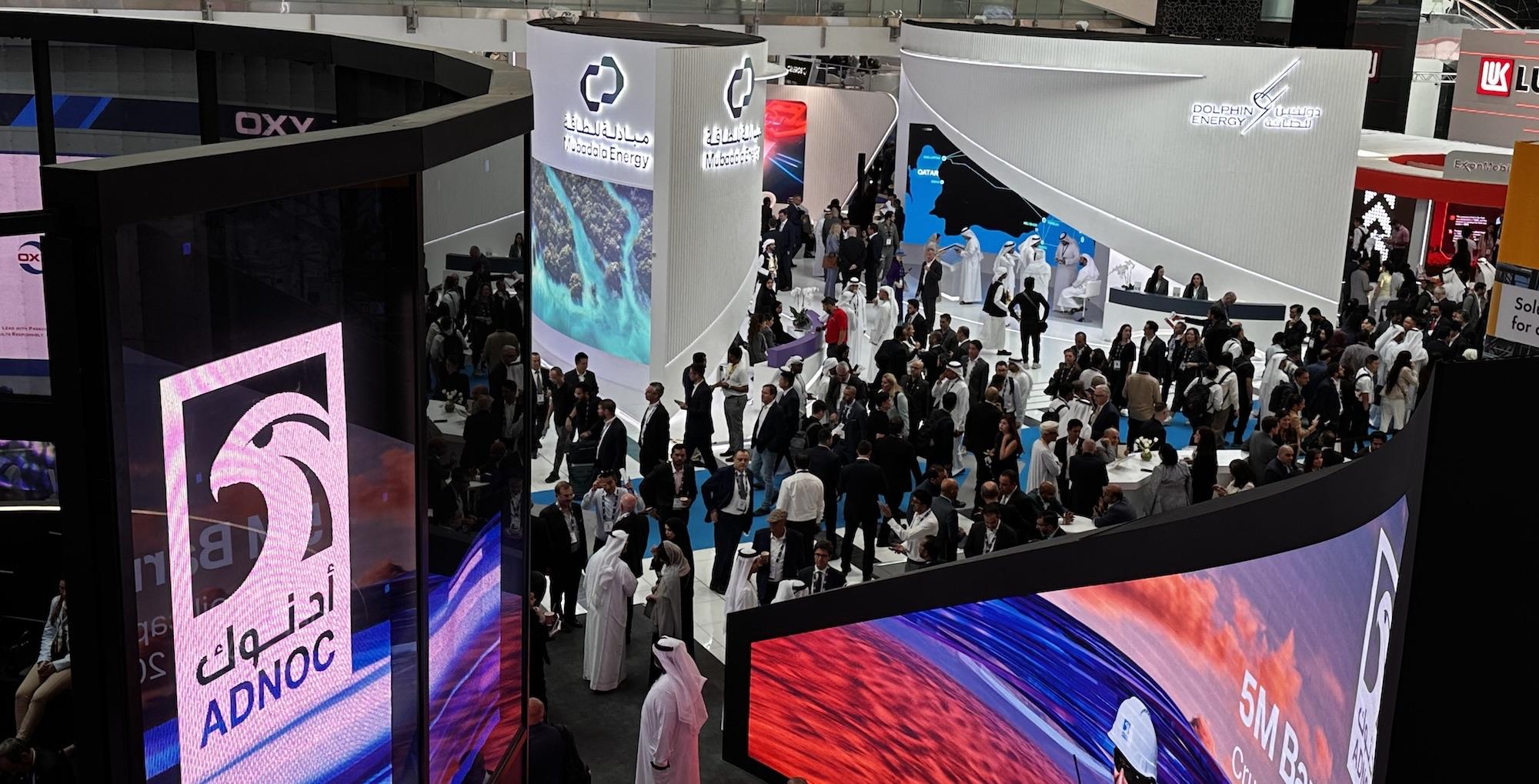
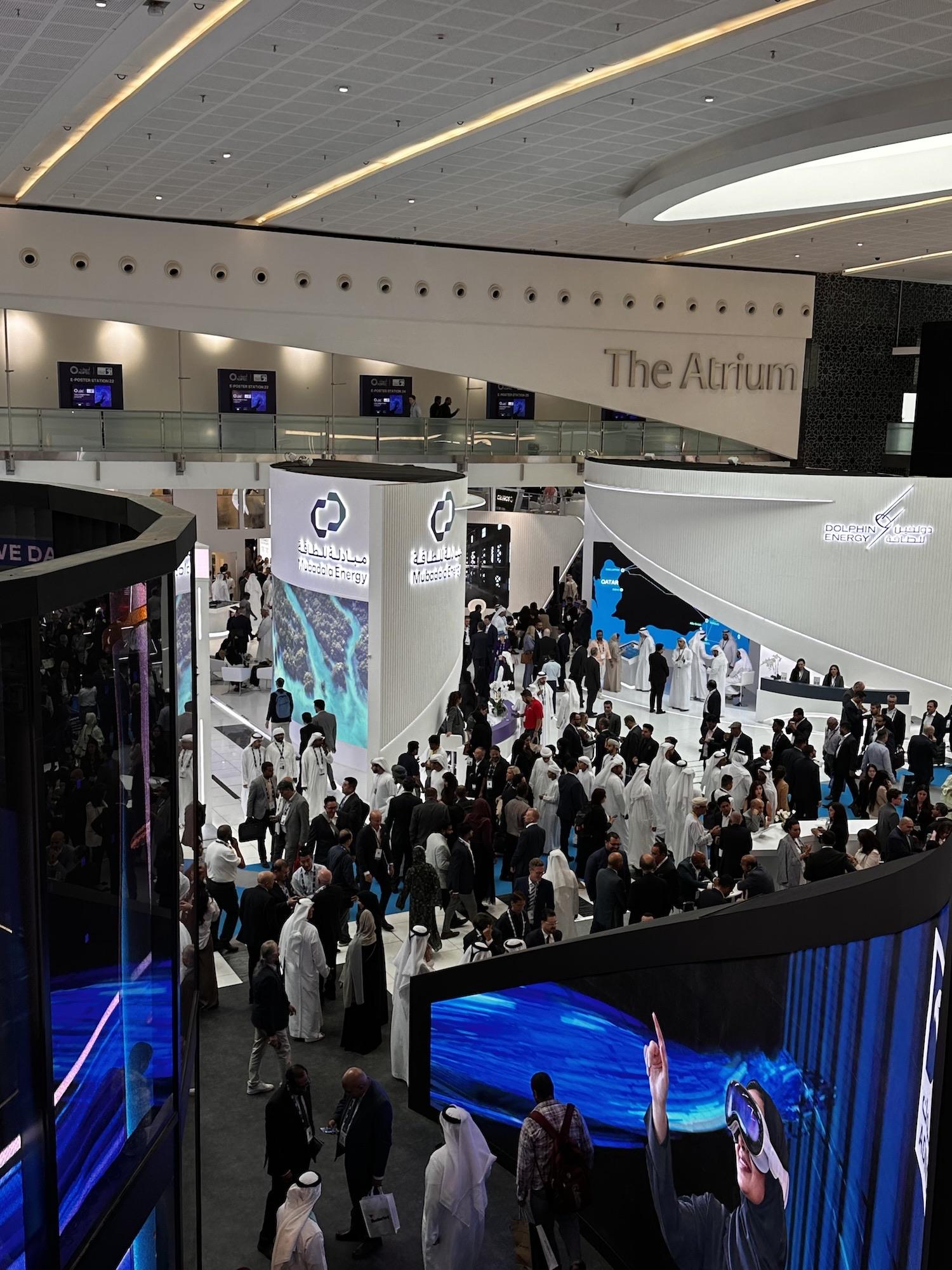
As the global energy community gathers in Abu Dhabi for ADIPEC 2025, the conversation is expanding beyond hydrocarbons and megaprojects. This year’s theme, Energy. Intelligence. Impact., highlights a structural shift from a resource-driven model toward one powered by innovation, sustainability, and inclusion. At the heart of this transition lies the Middle East, where rapid investment in green hydrogen and digital technologies is reshaping regional competitiveness.

Hydrogen has become one of the most dynamic topics on the ADIPEC agenda. The dedicated Hydrogen Conference Stream focuses on project delivery, financing, and international trade, showing that hydrogen is now moving from concept to large-scale implementation. Governments across the Gulf and North Africa are scaling up renewable generation, electrolysis capacity, and ammonia export projects. The UAE’s National Hydrogen Strategy, Saudi Arabia’s NEOM project, and Egypt’s green ammonia corridor exemplify the region’s ambition for industrial-scale decarbonization.

At ADIPEC, three strategic priorities define hydrogen discussions. First is the industrialization of hydrogen, scaling up electrolysers and offtake agreements to move from pilots to commercial assets. Second is integration with existing energy systems, leveraging gas and petrochemical infrastructure to create hybrid low-carbon hubs. Third is trade and global positioning, as the Middle East seeks to lead global hydrogen exports through new partnerships with Europe and Asia.

Beyond its natural advantages in solar and wind resources, the region’s deep capital pools, industrial expertise, and world-class logistics make it uniquely suited for rapid hydrogen expansion. Companies such as Siemens Energy, ABB, and ADNOC Distribution are showcasing how hydrogen connects with automation, grid modernization, and digital optimization. The central question is no longer whether hydrogen will scale, but how efficiently it can do so.

AI Infrastructure and Energy Systems, the Stargate UAE Example

While hydrogen defines the supply side of the energy transition, artificial intelligence is transforming demand. AI workloads, driven by global compute growth, are becoming an entirely new category of large-scale electricity consumption.

The UAE is emerging as a leader in this domain through Stargate UAE, a flagship AI and data infrastructure project led by G42 in collaboration with OpenAI and other partners. The first 200-megawatt phase, expanding toward one gigawatt, positions it among the world’s largest AI complexes. What sets Stargate apart is how it will be powered. Its design integrates nuclear, solar, and high-efficiency gas generation to deliver low-carbon, reliable energy. This model supports that the digital economy evolves in alignment with the region’s net-zero ambitions.

AI is not only an energy consumer, it is also a tool for optimization. Machine learning can forecast renewable generation, balance grids, and predict electrolyser performance, improving efficiency across hydrogen production. Predictive analytics minimize maintenance costs, while digital twins simulate hydrogen plants to reduce downtime. AI-driven investment platforms also assess project risk and viability with greater precision.

The region’s AI infrastructure boom and hydrogen ambitions are complementary trends. As long as the growth of data centers is matched with clean power, AI can accelerate rather than compete with the energy transition.

Women in Green Hydrogen Middle East, Building Talent and Leadership

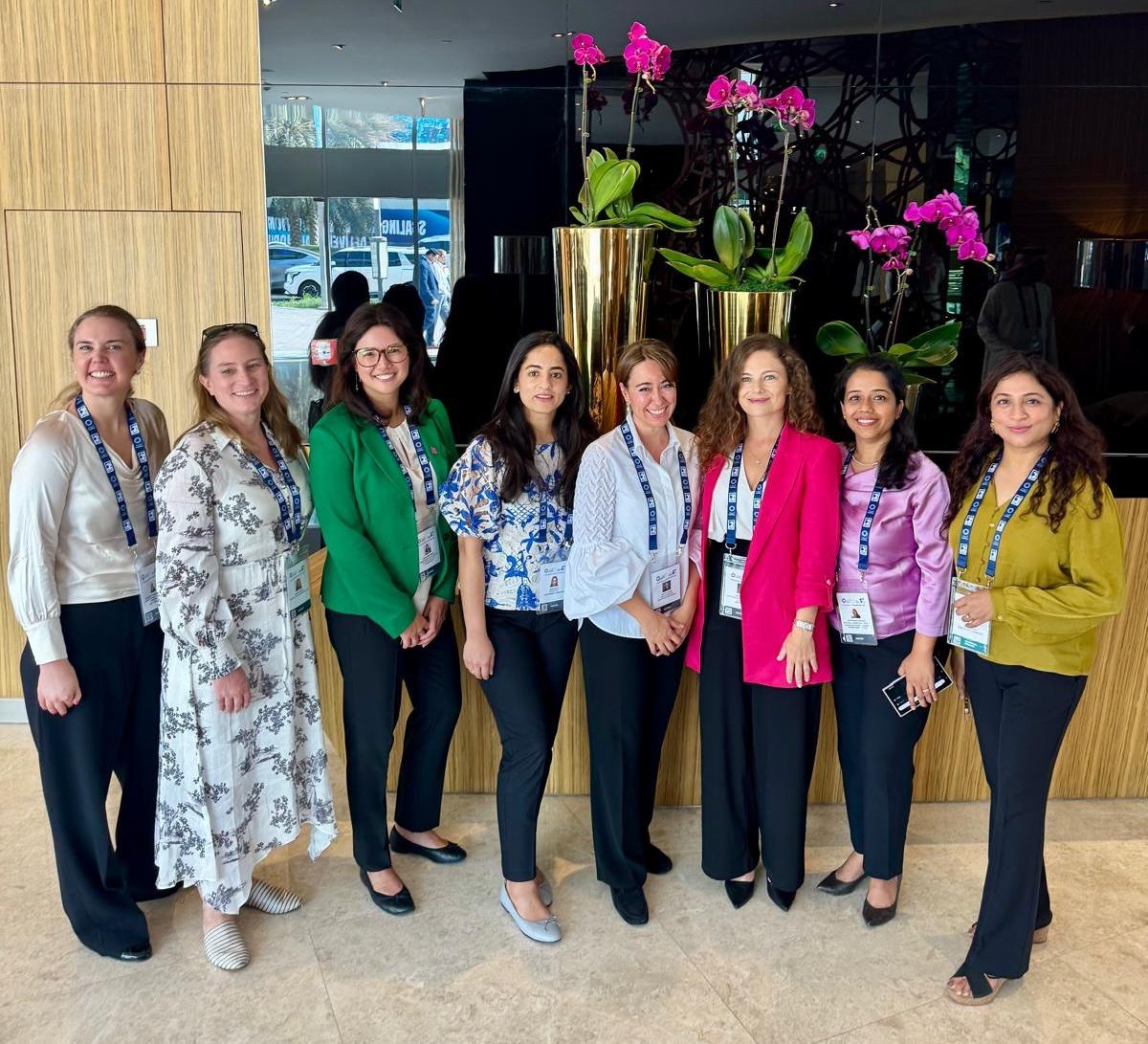
A key highlight of ADIPEC 2025 was the launch of the Women in Green Hydrogen – Middle East Chapter. This regional chapter of the global Women in Green Hydrogen network aims to unite professionals, policymakers, researchers, and entrepreneurs to promote collaboration, visibility, and leadership across the clean hydrogen value chain. The first meetings, hosted during ADIPEC, brought together technology providers, infrastructure developers, academics, and international partners. The initiative underscores that the energy transition is not just about technology but also about people.

Engaging women in the hydrogen economy offers tangible business advantages. Expanding the talent pipeline across disciplines such as engineering, policy, and data analytics is essential to address skills shortages. Diverse teams enhance creativity and innovation, vital in an industry where cost optimization and technological progress define competitiveness. In addition, diversity strengthens ESG performance, investor confidence, and international partnerships.

The Middle East Chapter will host workshops, networking sessions, and mentoring programs to support career development and connect professionals to global opportunities. By fostering inclusion, WiGH Middle East is helping shape the next generation of leaders who will drive the clean-energy transformation.

Figure 1: Women in Green Hydrogen Middle East.

Challenges Ahead, AI, Power Demand and the Green Transition

Despite strong momentum, significant challenges lie ahead at the intersection of AI growth and the green-energy transition. The first is rising power demand. Data centers, including those dedicated to AI, can require gigawatts of additional capacity. If this demand is met primarily with fossil-based power, emissions reductions achieved through hydrogen and renewables could be undermined. Strategic energy planning is critical to ensure new digital consumption aligns with clean-power generation.

Grid and infrastructure integration also pose complex challenges. Hydrogen plants require flexible, high-load electricity, while AI data centers need constant, uninterrupted supply. Coordinating these distinct needs on shared grids demands advanced planning and digital optimization. Without it, one sector’s growth could constrain the other.

Cooling and resource efficiency are especially important in hot climates. Data centers consume significant energy for cooling, yet innovative approaches such as liquid cooling, heat recovery, and co-locating compute clusters near hydrogen facilities could reduce waste. These synergies improve sustainability and operational efficiency.

Equally, both hydrogen producers and AI operators must maintain transparency in carbon accounting. Green hydrogen developers must demonstrate the renewable nature of their power sources, while AI operators will need to show that their compute growth aligns with decarbonization targets.

Finally, talent and finance remain key enablers. Thousands of skilled engineers, analysts, and technicians will be needed to support new hydrogen and AI projects. Investment frameworks and regulatory stability will determine how quickly these sectors can scale. Governments in the region are already working on clearer certification standards, energy-efficiency regulations, and bankable project structures.

AI, Hydrogen and Inclusion, The Next Phase of Energy Transformation

As ADIPEC 2025 concludes, three themes stand out: integration, innovation, and inclusion. Integration means that AI and hydrogen are converging to form a unified energy ecosystem. Innovation reflects how technology and data are shaping business models, driving efficiency and competitiveness. Inclusion ensures that the next wave of energy growth is powered by diverse teams and collaborative leadership.

The global narrative is evolving from energy transition to energy transformation. Companies and governments that see beyond traditional boundaries, linking molecules and megabytes, finance and innovation, technology and talent, will define the next era of leadership.

AI and green hydrogen together represent more than technological progress; they signal a reimagined approach to sustainability, one that values intelligence, collaboration, and people as core energy assets. ADIPEC 2025 captures this vision, showcasing how the Middle East is positioning itself at the forefront of a smarter, cleaner, and more inclusive energy future.

Elisabeth Hasselström
Head of Power, Utilities and Renewables
Elisabeth brings over a decade of expertise in the renewable energy sector, specializing in corporate strategy and in-house project development. Her journey began as an M&A advisor in banking for renewable companies, where she honed her insights before transitioning into consulting roles directly focused on Wind, Solar, Energy Storage (BESS), and Power-to-X projects.

Additionally, she is connected to an extensive network of highly skilled professionals within the Energy sector, enhancing her ability to support and drive impactful partnerships and projects.

Elisabeth Hasselstrom Personal photo
Connect with Elisabeth
By clicking “Yes, I'm Happy”, you agree to the storing of cookies on your device to enhance site navigation, analyze site usage, and assist in our marketing efforts. View our Privacy Policy for more information.